September 1, 2026
In the aftermath of an unexpected fall, a victim's immediate focus is naturally on the sudden pain, the shock of the event, and the urgent medical attention required. Most people use the terms "slip" and "trip" interchangeably when describing these terrifying accidents to doctors, friends, or insurance adjusters. However, from both a biomechanical and a legal standpoint, slipping and tripping are entirely distinct events with different causes and consequences. Understanding this difference is not just an exercise in semantics; it is a critical component of building a successful premises liability claim. This is precisely why local injury lawyers dedicate so much time and resources to investigating the exact nature of surface hazards.
Understanding Slip Accidents
A slip occurs when there is a sudden and unexpected loss of traction between the sole of a person's shoe and the walking surface. Biomechanically, when the foot loses its necessary friction, it slides outward and forward. This sudden forward motion of the lower body causes the person's center of gravity to shift backward, typically resulting in a violent backward fall. Consequently, the injuries associated with slips often involve the back of the head, the neck, the spinal cord, the lower back, and the tailbone or pelvis.
These accidents are incredibly common in both commercial and residential settings. According to the National Floor Safety Institute, slips cause about 12% of annual falls. The culprits behind these incidents are usually transient surface hazards that severely reduce friction. Common examples include wet floors from recent mopping, spilled liquids in a grocery store aisle, freshly waxed linoleum, or ice accumulation in a poorly maintained parking lot. Because these dangerous conditions are often temporary and easily cleaned up, local injury lawyers must act swiftly to secure evidence — such as employee cleaning logs, store surveillance footage, and internal maintenance records — to prove that a property owner was negligent in their duty to keep the walking surface safe.
Understanding Trip Accidents
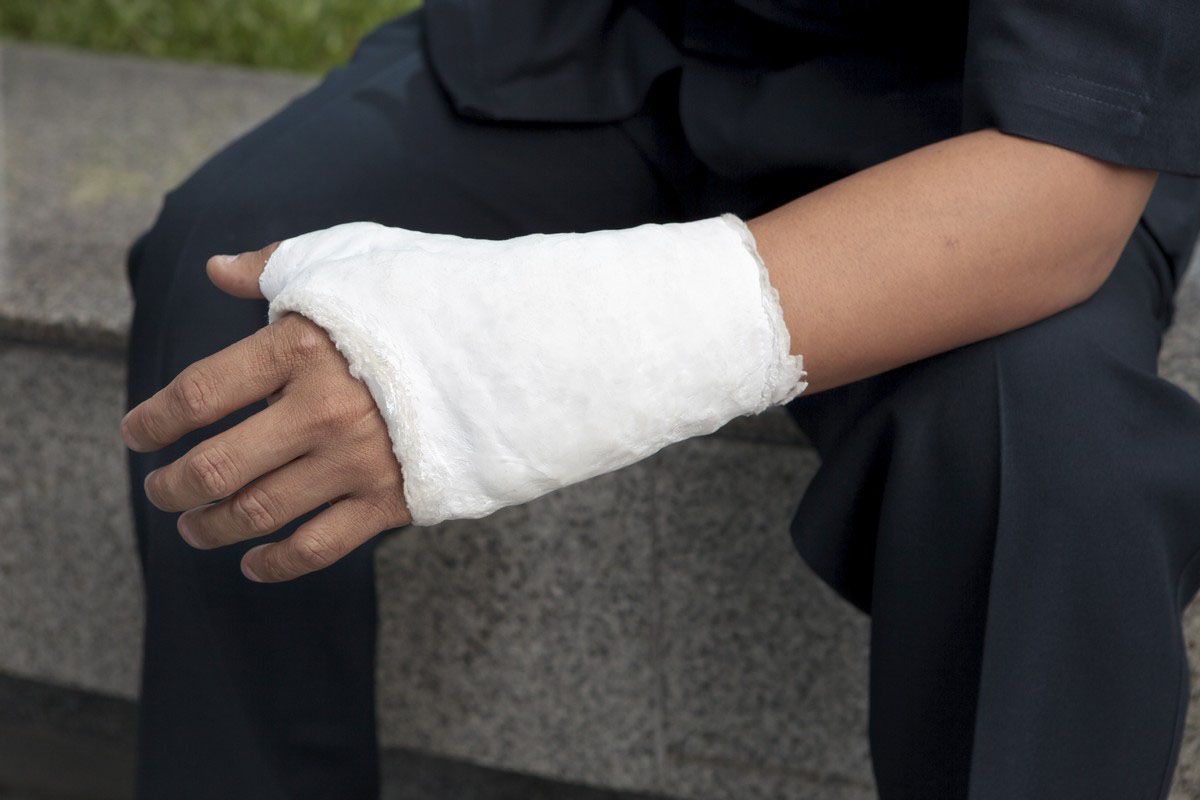
Conversely, a trip occurs when a person's foot strikes an unseen obstacle or encounters an unexpected drop in the walking surface, abruptly stopping the foot's forward motion. Unlike a slip, the upper body continues its forward momentum while the lower body remains anchored by the obstruction. This causes the individual to lose their balance and fall forward. Human instinct dictates that we throw our arms out to break a forward fall, which means trip accidents frequently result in broken wrists, fractured arms, shattered kneecaps, and severe facial lacerations.
The hazards that cause trips are usually structural or semi-permanent obstructions in the environment. These can include uneven sidewalk slabs, rolled or torn commercial carpeting, exposed electrical cords, poor transitions between different flooring types, or unexpected steps that lack proper warning signs or handrails. Because trip hazards are often rooted in the physical environment itself rather than a temporary spill, local injury lawyers frequently consult with building code experts, property surveyors, and forensic architects to demonstrate that the environment was defectively designed, improperly maintained, or dangerously constructed.
Identifying Surface Hazards
The vital distinction between a slip and a trip brings us to the core of any fall-related legal claim: the surface hazard itself. In personal injury law, specifically premises liability, property owners have a strict legal obligation to maintain their premises in a reasonably safe condition for visitors and patrons. If they fail to do so, they can be held financially liable for the resulting damages. However, proving liability requires pinpointing the exact hazard that caused the fall.
Identifying the specific surface hazard allows legal professionals to establish the factual narrative of the accident. For instance, if a client slipped on a crushed grape in a supermarket produce aisle, the hazard is temporary. If a client tripped over a massive pothole in a poorly lit parking lot, the hazard is structural. Experienced local injury lawyers understand that the nature of the surface hazard dictates the entire legal approach. They meticulously analyze the accident scene to determine not just what the hazard was, but why it was allowed to be there, how long it had been there, and whether the property owner violated any local ordinances or industry safety standards in allowing it to persist.
Evaluating Liability Factors
Once the specific surface hazard has been identified, the next critical step involves evaluating the legal factors of liability. It is never enough to simply prove that a hazard existed and that a severe injury occurred; a successful claim must conclusively prove that the property owner was negligent. In premises liability law, this requires establishing the concept of "notice."
Did the property owner have actual notice of the hazard? For example, did a retail employee clearly see a spilled drink but fail to clean it up or place a warning sign? Alternatively, did the owner have constructive notice? Constructive notice means the hazard existed for a sufficient length of time that a reasonably prudent property owner should have discovered and remedied it through routine inspections. A decaying, severely raised concrete sidewalk slab, for instance, does not happen overnight; it is a clear example of a hazard a property owner should have known about. Dedicated local injury lawyers spend countless hours reviewing property inspection routines, interviewing former employees, and scrutinizing property management protocols to establish this vital element of notice and hold negligent parties completely accountable.
Gathering Vital Evidence
Because surface hazards can be highly variable — and in the case of slips, easily erased — gathering evidence immediately following an accident is of paramount importance. A puddle of water can evaporate or be quickly mopped up within minutes of a fall; a dangerous patch of black ice can melt away in the afternoon sun. If the physical evidence of the surface hazard disappears, proving the victim's case becomes exponentially more difficult.
Victims of slip or trip accidents should always try to document the scene if they are physically able to do so safely. Taking clear photographs of the exact spot where the fall occurred, capturing images of the footwear being worn, and collecting contact information from any eyewitnesses can make a massive difference in the outcome of a claim. Furthermore, formally reporting the incident to a store manager or landlord and insisting on a written accident report ensures there is an official, time-stamped record of the event. Knowing exactly how quickly crucial evidence can vanish is exactly why local injury lawyers often issue spoliation letters to property owners, legally demanding the immediate preservation of surveillance video and physical evidence before it is conveniently lost, taped over, or destroyed.
Navigating Legal Proceedings
Even with substantial evidence, navigating the legal aftermath of a slip or trip accident is rarely a straightforward or easy process. Insurance companies representing commercial property owners are notorious for deploying aggressive tactics designed to minimize or entirely deny legitimate injury claims. One of their most common defense strategies is to shift the blame onto the victim, arguing that the injured party was distracted by their phone, wearing improper footwear, or simply not watching where they were going.
This tactic is directly tied to the legal doctrine of comparative negligence. In states like New Jersey, if an injured party is found to be partially at fault for their own accident, their financial compensation can be reduced proportionally by their percentage of fault. Skilled local injury lawyers are well-versed in countering these aggressive defense strategies. They use biomechanical evidence, expert medical testimony, and the established facts of the surface hazard to conclusively prove that the property owner’s negligence was the primary cause of the accident, thereby protecting the victim’s absolute right to fair and full compensation.
Contact the experienced local injury lawyers at Cappuccio & Zaorski, LLC today to schedule a comprehensive consultation and learn how we can help you navigate the complex path to justice and physical recovery.