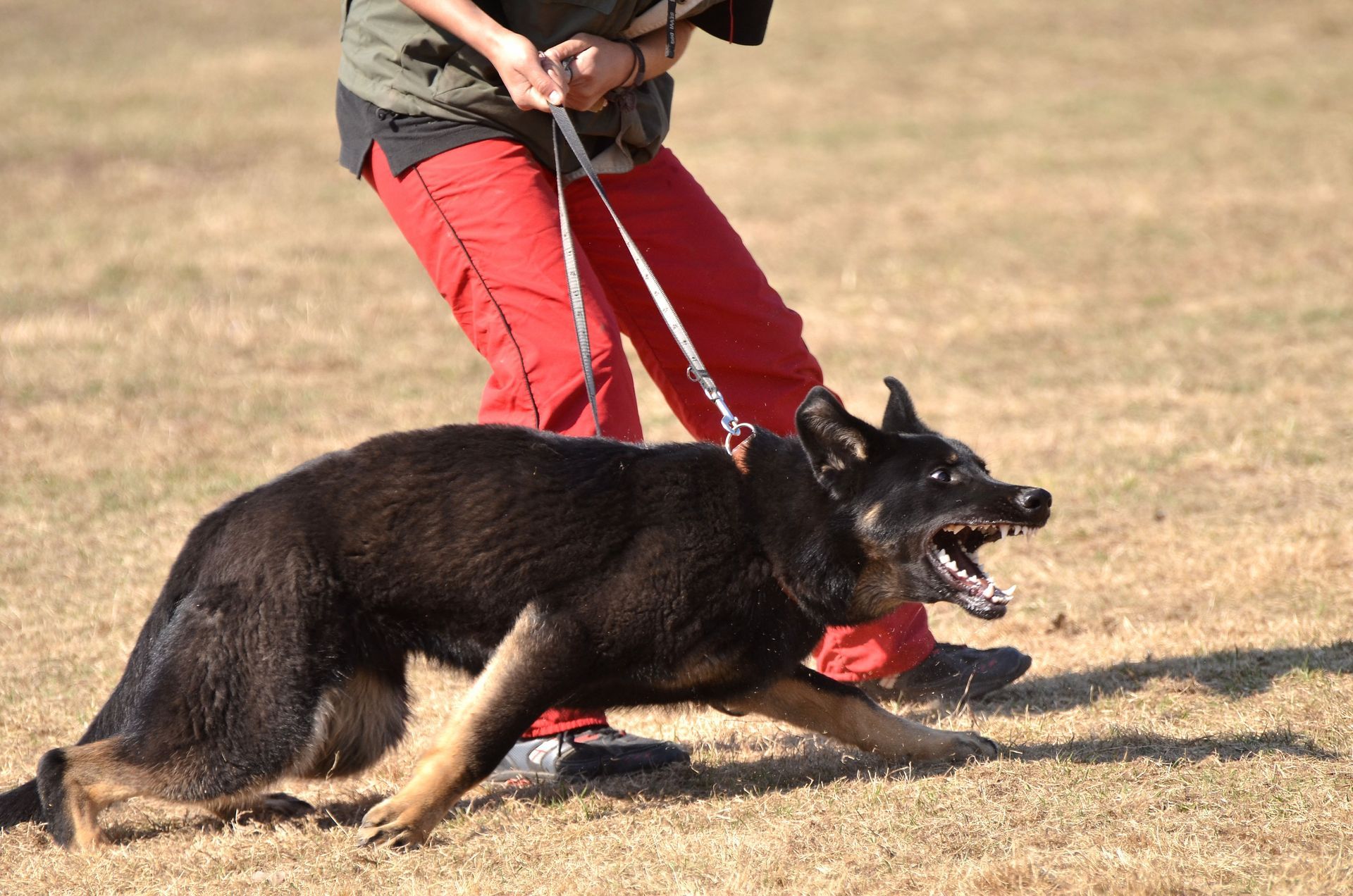
An animal attack can cause unexpected injuries, emotional distress, and financial concerns for the person involved. Beyond seeking medical attention, victims may need to document what happened, identify the animal's owner, and understand their legal options. Taking appropriate steps early can help protect personal well-being and preserve important information about the incident. Medical records, photographs, witness statements, and official reports may become relevant if a claim is pursued. The laws governing animal attacks vary by state and may depend on factors such as the circumstances of the incident and the animal's history. Understanding the process can help victims make informed decisions while recovering. Knowing when to seek legal guidance can also make it easier to navigate questions about liability, compensation, and insurance.
Seeking Immediate Medical Attention
The first priority after an animal attack is addressing any injuries and determining whether further medical treatment is necessary. Even wounds that appear minor can carry risks, including infection, tissue damage, or complications that are not immediately visible. Anyone who experiences severe bleeding, deep punctures, significant pain, or other urgent symptoms should seek emergency care. A healthcare professional can clean and assess wounds, recommend appropriate treatment, and determine whether vaccinations or additional precautions are needed. Medical records also establish when treatment occurred and document the injuries identified by healthcare providers. An injury lawyer may later review these records when evaluating the extent of the harm and its connection to the incident. Victims should follow medical instructions and attend recommended follow-up appointments. Prioritizing treatment supports recovery while creating a reliable record of the physical effects of the attack.
Reporting the Animal Attack
Reporting an animal attack can help local authorities document the incident and determine whether public safety measures are necessary. Depending on the circumstances and location, victims may contact animal control, local law enforcement, or another appropriate agency. According to Dog Bite, more than 12,000 people in the U.S. are hospitalized each year because of dog bite injuries, highlighting the serious consequences these incidents can have. When making a report, provide factual information about the date, time, location, and events leading up to the attack. Include details about the animal and its owner when that information is available. Ask how to obtain a copy of the report or reference number for future records. An official report may help establish a timeline and identify information that needs further investigation. Prompt reporting also allows the appropriate authorities to assess potential risks to others.
Identifying the Animal and Its Owner
Identifying the animal and determining who owns or controls it may be important when considering legal responsibility. If it is safe to do so, victims can ask for the owner's name and contact information without putting themselves at additional risk. They should avoid confronting an owner if the situation appears threatening or could lead to further harm. Information about the animal's vaccination status may also be relevant to medical decisions and public health procedures. An injury lawyer can use available identification details when assessing who may be legally responsible for the incident. If the animal's owner is unknown, victims should provide its description and last known location to the relevant authorities. Witnesses may also be able to identify the animal or explain who was handling it. Accurate identification helps direct follow-up inquiries and supports the collection of relevant evidence.
Preserving Evidence From the Scene
Evidence gathered after an animal attack can help clarify how the incident occurred and what injuries resulted. When it is safe, take photographs of visible wounds, damaged clothing, the surrounding area, and any relevant physical conditions. Record the date and location of each photograph so the images can be understood later. Victims should also write down what they remember while the details are still fresh, including the animal's behavior and the sequence of events. An injury lawyer may review this information when evaluating the circumstances of a potential claim. If anyone witnessed the incident, ask for their names and contact information, provided doing so is safe and appropriate. Preserve relevant messages, emails, and other communications with the owner or insurance representatives. Keeping evidence organized reduces the risk of losing details that could become important during an investigation.
Documenting Financial and Personal Losses
Animal attacks can result in expenses and disruptions that extend beyond the initial medical visit. Treatment costs may include emergency care, follow-up appointments, prescriptions, wound care, or rehabilitation when needed. Victims should retain bills, receipts, insurance statements, and records of any related out-of-pocket expenses. Employment records can help document missed work or reduced earnings caused by the injuries. An injury lawyer may use these materials to assess the financial impact of the incident and determine which losses may be recoverable under applicable law. Personal notes about pain, activity restrictions, and changes to daily routines can also help document the recovery process. Emotional effects may be worth discussing with a qualified healthcare professional, particularly when fear or anxiety interferes with normal activities. Thorough documentation helps create a clearer picture of how the attack affected the victim's life.
Understanding Potential Legal Responsibility
Legal responsibility for an animal attack depends on the applicable state or local laws and the facts of the incident. Some jurisdictions impose specific liability rules for dog bites, while others consider factors such as prior behavior, negligence, or whether the injured person was lawfully present. Questions about provocation, trespassing, supervision, and the owner's knowledge of a potential risk may also affect an evaluation. An injury lawyer can review the circumstances and explain which legal principles may apply to a particular case. Victims should avoid assuming that every animal attack automatically establishes liability or guarantees compensation. Information from official reports, witnesses, medical records, and photographs can help clarify the relevant facts. The responsibility of an owner or another party may differ depending on the animal involved and the setting. Understanding these distinctions helps victims evaluate their options based on the actual circumstances.
Reviewing Insurance and Compensation Options
Insurance may play a role in resolving claims arising from certain animal attacks. Depending on the circumstances, a homeowner's or renter's insurance policy may provide coverage for injuries caused by a covered animal. However, coverage depends on policy language, exclusions, limits, and the facts of the incident. Victims should keep copies of communications from insurance companies and note the dates of calls or written exchanges. An injury lawyer can help evaluate settlement offers, identify questions about coverage, and explain potential next steps. It is important to provide accurate information and avoid exaggerating or speculating about details that are not known. Before signing a release or accepting a settlement, victims should understand whether the agreement affects their ability to seek additional compensation. Reviewing the available options carefully can help prevent decisions that do not adequately account for the injuries and related losses.
Observing Legal Deadlines and Procedures
Legal claims are subject to deadlines that vary by jurisdiction and may depend on the type of claim and the parties involved. Missing an applicable filing deadline can limit or prevent a victim from pursuing compensation. Certain claims involving government entities may have additional notice requirements or shorter timelines. An injury lawyer can help identify potentially applicable deadlines and explain the procedures involved in moving a claim forward. Victims should preserve relevant documents and respond promptly to reasonable requests for information. They should also keep a record of important dates, including the attack, medical visits, insurance communications, and any official reports. Because recovery and evidence collection can take time, it is sensible to seek legal guidance early rather than waiting until a deadline approaches. Understanding the procedural requirements helps victims make timely decisions while focusing on their recovery.
Recovering after an animal attack involves more than treating immediate injuries. Reporting the incident, identifying the animal and its owner, preserving evidence, and documenting financial losses can help victims understand their options. Legal responsibility and potential compensation depend on the applicable laws and the specific circumstances of the incident. Prompt action can help protect important information and make it easier to evaluate the next steps.
Contact Cappuccio & Zaorski, LLC to discuss your circumstances and learn about the legal options that may be available after an animal attack.